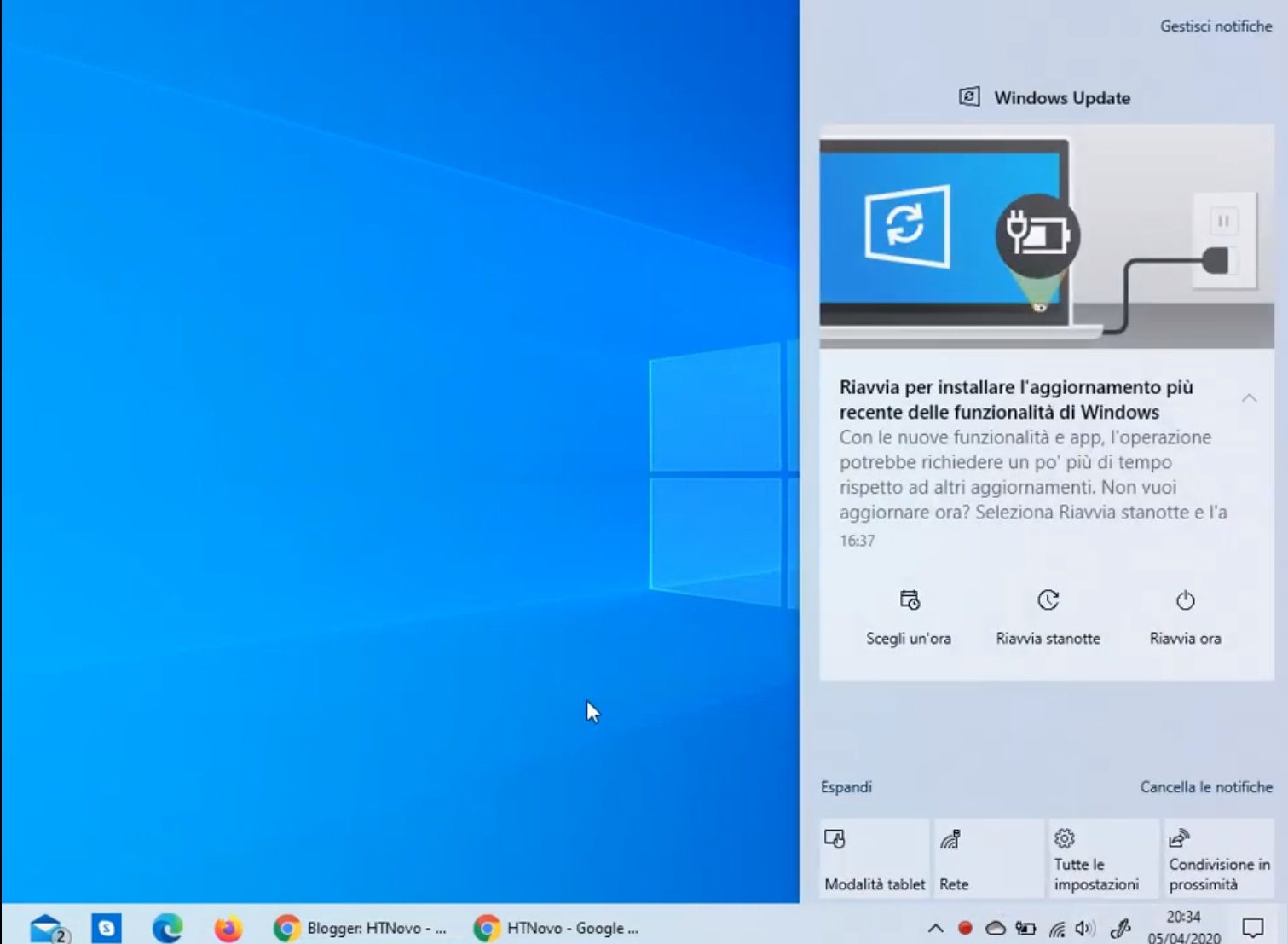
If your existing Windows 10 PC is running Windows 10 20H1 or later and meets the minimum hardware specificationsit will be able to upgrade to Windows 11. The upgrade rollout plan is still being finalized, but for most devices already in use today, we expect it to be ready sometime in early 2022. Not all Windows 10 PCs that are eligible to upgrade will be offered to upgrade at the same time. To see if your PC is eligible to upgrade, refer to our knowledge base for a list of tested systems. Once the upgrade rollout has started, you can check if it is ready for your device by going to Settings/Windows Updates. Similar to how end users are notified when updates are available in Windows 10, end users will see an indication in the notification areas of the taskbar in the bottom right, that the upgrade is available.

More information on how that is presented will be available at a later date. Additional desktop notification options may be also be added at a later date. For gamers, Windows 11 brings Auto HDR support, a feature pulled with the development of the Xbox Series X consoles.

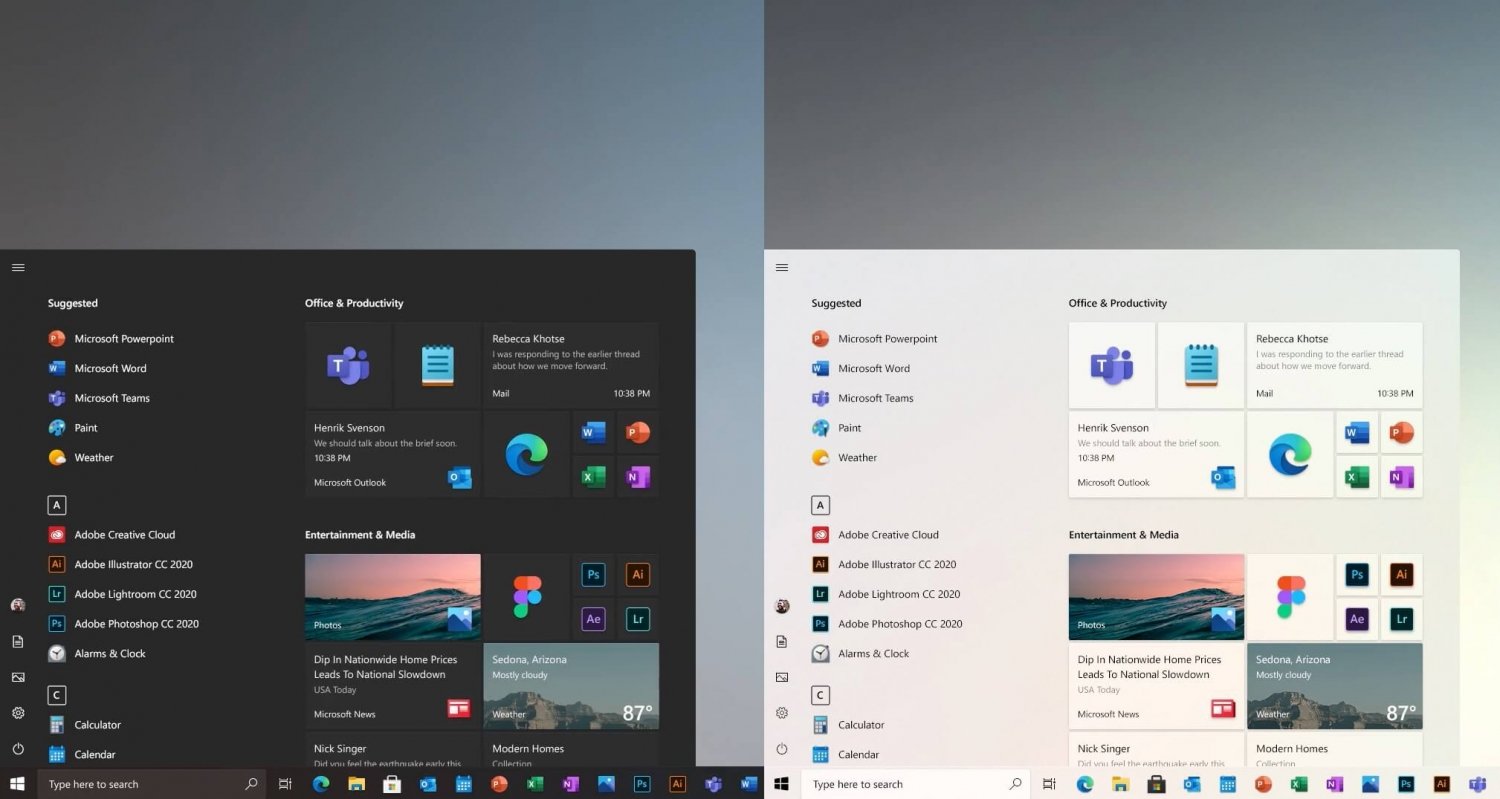
Games need to support DirectStorage however, today, there are no games with support for the feature. In inherent performance, games were almost similar to Windows 10 in raw frames in games like 'Assassin's Creed Valhalla', 'F1 2021', and 'Forza Horizon 4'. Apart from a fresh coat of paint and a few features, the operating system maintains most of the core functionality of Windows 10. Visually, Windows now has rounded corners, and the taskbar icons and the start menu have moved to the centre. One of the most jarring experiences for me has been getting used to the centred Start Menu.
While the new start menu looks nice with pinned apps on the top and recent files below it, the sporadic movement of the Start button is a chore. In Windows 10 and previous versions of Windows, the left aligned start menu has been in the same spot as always. In Windows 11, the menu is centred, and the addition of new icons tends to push icons away from each other on the centred plane.
I was forced to look at the taskbar and understand where the icon moved to click on it. It would have been a better design decision to leave the start button to the left while only moving application icons to the centre. Fortunately, users can fix this problem by realigning all icons to the left. The biggest change to Windows 11 is its more stringent hardware requirements. If your PC is recent, say, within the past five years, you should be alright, but older devices may be stuck with Windows 10 for the foreseeable future. That's not to say the company won't be providing security updates to Windows 10, but that's about as much as you can hope for.

Since the controversial hardware decision—implemented for both performance and security reasons—Microsoft added Windows 11 support for some older computers, but the company still recommends against it. It's also possible for users to disable this security feature to improve their gaming experience with better frame rates. When new operating systems launch, it's common for people to experience issues with their PCs.
While Windows 11 is free for many Windows 10 users, there is a rite of passage for this version of Windows. Not all desktops and laptops may be able to use Windows 11, since the update comes with system requirements that might lock many Nepali systems out of the update. More recent laptops would most likely have this TPM module, but many older and custom-made computers might not. Computers running older CPUs, mainly Intel 7th Generation and older, are locked out of the update, while Windows 11, at least in the early phases, did not play well with AMD CPUs due to a scheduler issue.
Many workarounds for these requirements aren't official and may lock you out of future updates. Microsoft has also removed local user profiles for Windows 11 Home users, forcing people to connect to an online Microsoft account, which is for data collection and telemetry in all intents and purposes. Windows 11 might be free, but you will be paying for it in data. If your existing Windows 10 PC is running the most current version of Windows 10 and meets the minimum hardware specifications it will be able to upgrade to Windows 11. Not all Windows 10 PCs that are eligible to upgrade to Windows 11 will be offered to upgrade at the same time. The new Windows OS takes cues from its smartphone relatives, simplifying basic settings changes and making them easy to access.

One click or tap in the corner of your taskbar to pull up a control panel similar to Apple's Control Center, which lets you futz with settings like brightness and volume, connectivity, and more. Windows apps now feature more aesthetically pleasing curved corners, and the Settings app has more options to change how you interact with the OS thanks to more accessibility features. New sounds and audio cues are available for blind users, and themes for people with light sensitivity or those working long hours have been updated to be easier on the eyes.
With these security features enabled, many have seen as much as a 28% drop in average frame rates, tanking gaming performance. This drop could essentially give players an experience that would be like downgrading to a lower-tier graphics card. Though Microsoft has been adamant about the extra security these features offer, many gamers are disabling it. Perhaps the most important thing to know about the release of Windows 11 is that we should expect it to change significantly over the next few years. I've been using beta versions of Windows 11 for a month in the lead-up to writing this review, and it seems like every few days there's a minor new feature or redesigned app to check out.

We may not see that feature fully realized in Windows until next year. Even the newly-released AutoHDR feature is available on both Windows 11 Home and Pro editions. So it's safe to say that neither of the editions will disappoint you in terms of gaming performance. That said, Windows 11 Pro offers you a larger ceiling for hardware expansion. It supports up to 2 CPU sockets, 128 cores, and up to 2TB of RAM, whereas Windows 11 Home supports 1 CPU socket, 64 cores, and up to 128GB of RAM.
Simply put, Windows 11 Home is more than enough for most users, even for hardcore gamers. Many games that use Anti-cheat tools also have started relying on Windows 11 security features to provide fair gameplay. While these games still work on Windows 10, it is only a matter of time before Windows 11 ends up becoming a requirement. Microsoft's next version of Windows, Windows 11, is fast approaching, and the company has already put out a ton of detail about the latest version of its OS.
As Windows is one of the most-used operating systems for personal computers around the globe, there's a lot of reasons to brush up on what's coming. From new features to security, and even a refreshed design, Windows 11 is poised to be a notable upgrade. Windows 11 is officially out, meaning millions of PC owners are free to upgrade today (as long as their computers meet Microsoft's ridiculously strict system requirements). I've been testing a near-final pre-release version of Windows 11 for a while, and I'm here to spread the good news that my computer hasn't blown up once.

Windows 11 is so far a completely non-lethal operating system, which is definitely a good sign, but maybe not enough justification to install it. To make the call on whether other PC gamers should actually install Windows 11 today, I've been spending some quality time with its new Start menu and rounded corners. Solid State Drives that are also known as SSDs have become extremely important for applications, games and Os for much faster read and write speed.

DirectStorage support is a great addition toWindows 11 that will not only improve the gaming experience but also have positive effects on the User Interface of the entire system. You can refer to our knowledge base for a list of tested systems to determine if your device eligible to upgrade to Windows -11. Many PCs that are less than four years old will be able to upgrade to Windows 11. They must be running 20H1 or later version of Windows 10 and meet the minimum hardware requirements to receive the Windows 11 upgrade. The Windows system upgrade has been released for select PC models but will be pre-loaded in some new gaming PCs, like the Razer Blade 15 Advanced.

This new operating system will have some security features enabled by default, which could hinder gaming performance by up to 28%. But this isn't the only issue the new operating system is having. AMD announced performance issues with Windows 11 and their processors, which the two companies are working to resolve with updates later this month. Microsoft has reorganized the Settings app, adding flourishes such as widgets to show paired devices, a prominent link to rename your PC, and a way to see which subfolder you're looking in.

Plus, the left rail of options doesn't change as you move from section to section as it did before, making navigation easier. The menu options have been moved around, with some sections getting new names. And a new option makes the operating system remember where windows were before when you reconnect an external monitor.

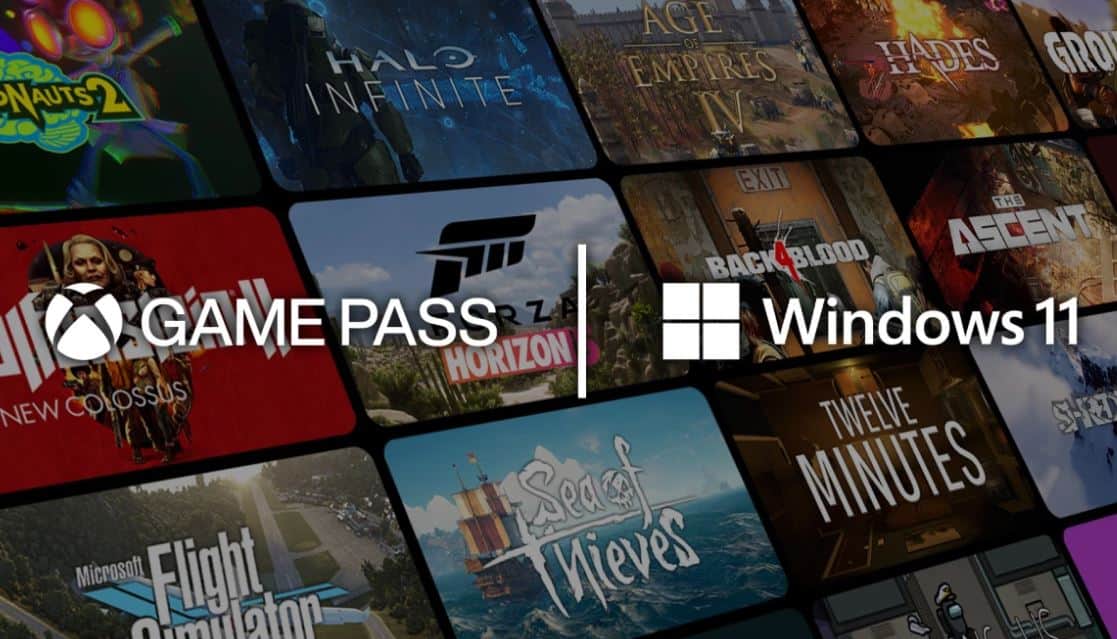
Both Windows 10 and Windows 11 support DirectX 12 Ultimate, Microsoft's latest API packed with the latest features developers can use to make eye-popping games. So, for now, Windows 10 gamers can access the same feature set assuming they have the right hardware to support it, but that won't be true for long. Game Pass is clearly Microsoft's flagship gaming product, offering day-1 first-party releases and a huge library of third-party games that come and go over time. On Xbox consoles, Game Pass is a seamlessly integrated experience that works flawlessly, but on Windows 10 systems it felt clunky and a little slapped-together.
Essentially the PC version of the same feature previously released for Xbox Series X/S, Auto HDR will recognize if you're using an HDR-compatible monitor and update your image quality appropriately. First introduced in Windows 10, the Game Mode feature when enabled reduces background app usage across windows to free up CPU for games. The setting worked alright in some cases, but in most cases, it hardly provided any boost in performance. With Windows 11, Microsoft has made some tweaks to Game Mode that will now allow the setting to further limit background app activity and dedicate more resources to games. The game mode can be enabled by switching ON the toggle in the gaming tab of the new settings app. Instead of the somewhat clunky tiling system found in the previous iteration of the iconic taskbar, Windows 11 peels away the cruft and gives you what you need.

Should I Update To Windows 11 In my case, it's a list of recently accessed files along with a tray of pinned apps for easy access, with a universal search bar at the top for easy web (or on-device) searching. The clean lines and use of widgets to display information like weather, news, and photos is a welcome change of pace from the busy screen in Windows 10. What this means is that those without TPM 2.0 won't be able to upgrade to Windows 11, unless you purchase and install a TPM 2.0 Module.
Upgrades to Windows 11 will begin to roll out late in 2021 and continue into 2022. During this time, we will be doing some behind the scenes testing and validating for your specific PC. Windows Update will provide an indication if and when your PC is eligible. For an operating system targeting gamers, Windows 11 has a lot of issues when it comes to gaming performance. Microsoft is working on an update to remedy the performance issues for AMD processors and may have an update to fix the decrease in performance caused by the security mechanics of Window 11 as well.
A few companies, such as Shadow, a cloud-based gaming service, discourage users from updating their systems until there is a solution to prevent these issues. However, gamers who upgraded to Windows 11 will not have this feature automatically enabled and don't have to worry about disabling it. Others who are getting pre-built gaming PCs with Windows 11 will need to go into the registry to disable the VBS feature and system settings to turn off the Memory Integrity option. Windows 11 has higher technical requirements than Windows 10, is possible to install Windows 11 on devices that don't meet the minimum requirements.

Upgrading unsupported hardware to Windows 11 will require you to install the update manually using an ISO. There is a different set of minimum minimum requirements your PC will have to meet including 4GB of RAM, 64GB of storage space, and two-core 64-bit 1 GHz processor. As far as features, you'll be able to install and run Android apps natively on Windows 11. The gaming experience will be all-around better thanks to a new Xbox app support for features for on Xbox consoles, such as Auto HDR and DirectStorage, which should make games look better and load faster. And Microsoft Teams is going to be more easily accessible and integrated into more apps. While features like this sound promising for older games, there could be bugs and issues.
Microsoft is allowing PC gamers to opt into these optimizations in test builds of Windows 11 this week, and you'll even be able to exclude specific games or apps if you notice any issues. "We disable apps that have known issues on default to ensure that you have the best settings without having to do much guesswork on what might be wrong," says Fisher. More and more PC gamers have been snapping up high refresh rate displays, some of which have HDR capabilities. Your PC gaming experience will soon get even better on Windows 11. There are many users who, after the release of Windows 11, went ahead and checked whether their PC is eligible to be upgraded with Windows 11.
Sadly, they found out that their PC does not meet the minimum requirements to install Windows 11. In this case, the question arises what options are left then? To put it simply, the best option here is to buy a new PC before the deadline, i.e. 2025. It's exciting to learn more about these cool features on Windows 11 that will elevate users' gaming experiences. Be sure to download the new operating system when it's available to you to try out the new features and see if your gaming performance improves.
There is a way to install Windows 11 on unsupported hardware, but we wouldn't recommend it. Although Microsoft hasn't confirmed it, the company has heavily implied that unsupported users won't receive critical security updates. If you still want to install, you can do so using the Media Creation Tool, which bypasses hardware checks. This is why you need a newer computer to operate Windows 11 at full capacity. Windows 11 is bringing some game-friendly features to the PC already available on the company's Xbox line of game consoles.

Features like Auto HDR will bring high dynamic range to PCs with the supported hardware, as well as DirectStorage, which stores data directly on graphics cards for faster access and therefore faster speeds. Paired with GamePass, Xbox's game subscription service, it could turn your PC into the preferred entertainment device. The improved Snap Layout and Snap Group features let you easily manage and resize windows on your monitor, as well as keep apps you need to use simultaneously grouped together. Hover your mouse over the window maximize button on the app of your choice to see the layout options, ranging from a side-by-side layout to a four-app grid. And is it worth potentially buying a new PC to experience it? Depends on how you feel about some of the biggest changes coming to Microsoft's primary OS.

For gaming, this means saying goodbye to loading screens and hello to faster and smoother gameplay. Windows users have been waiting since 2015 for Microsoft's next operating system , but finally the wait is over…Windows 11 is here! A lot of attention has been focused on the advanced features it offers, as well as its consolidating functions and improvements to the user experience. But Windows 11 brings with it some exciting new gaming features, let's check them out. This article talks about the realities of being a Windows 11 user, so technically, if you're already a Windows 11 user, you won't have to deal with the minimum hardware requirements issue. But there are still the hardware compatibility issues that come from running any new OS release.
Back in October, Windows 11 had some issues with AMD chips, but that's been subsequently patched. Windows 11 has a problem with SSD NVMe drives, but you can pull down a patch via the Windows Insider program to fix it. And, of course, there is a host of other compatibility and driver problems, many of which Microsoft is aware of and working on.

Windows 11 will be provided as a free update to all eligible devices that are currently running Windows 10. Eligibility for automatic upgrade is based on certain minimum hardware requirements. Windows 11 makes it easy to organize two or more application windows you want to use at the same time.


